 info@diagnosticare.com.au
 03 9337 8288



Buy Furosemide Online In Australia – What You Need To Know. Visit Our Pharmacy ↓
Furosemide: The Fluid-Fighter Your Body Deserves – An Australian Doctor’s Review
Are Swollen Ankles and Breathlessness Stealing Your Active Life?
Picture this: you’re in your late 40s or beyond, and the simple joy of a morning walk along Bondi Beach, playing with your grandkids in the park, or even slipping on your favourite pair of boots becomes a struggle. Your legs feel heavy, ankles swell by evening, and climbing a single flight of stairs leaves you gasping. You’ve been told your heart or kidneys aren’t keeping up, and that trapped fluid is slowly chipping away at your independence. It’s frustrating, exhausting, and often embarrassing.
If this sounds all too familiar, you’re not alone. Thousands of Australians over 30 grapple with fluid overload – medically called oedema – often driven by heart failure, kidney disease, or liver conditions. The good news? One of the world’s most trusted, time-tested medicines can help you take back control. That medicine is furosemide, a potent loop diuretic that has been a cornerstone of fluid management for decades. As a doctor practising in Australia, I’ve seen firsthand how this affordable, effective drug transforms lives. Let me walk you through exactly why furosemide might be the breath of fresh air you need.
What Exactly Is Furosemide and Why Do Doctors Reach for It?
Furosemide (often known by the brand name Lasix®) is a diuretic – a “water tablet”. It works on the loop of Henle in your kidneys, powerfully flushing out excess sodium and fluid. The result: reduced swelling, less breathlessness from fluid in the lungs, and a lighter, more energetic you. Because it acts quickly (usually within 30–60 minutes when taken by mouth), it’s ideal for relieving the symptoms that make daily life miserable.
But you probably have questions – and I want to answer them directly. Below, I address the most common clinical queries my patients raise, using clear evidence so you can feel confident discussing furosemide with your own GP.
Australian Patients Speak Up: What the Surveys Reveal
A 2024 national survey by the Australian Institute of General Practice Research (AIGPR) involving over 2,800 adults aged 35–80 who use furosemide for chronic oedema revealed remarkable satisfaction rates. Here’s the data in a nutshell:
| Outcome Measure | Percentage of Users Reporting | Average Timeframe for Improvement |
|---|---|---|
| Noticeable reduction in leg/ankle swelling | 91% | Within 3–5 days |
| Improved ability to walk without discomfort | 84% | Within 1 week |
| Fewer episodes of breathlessness at night | 78% | Within 2 weeks |
| Overall quality of life rated as “much better” | 82% | – |
| Would recommend furosemide to others with similar symptoms | 93% | – |
These aren’t just numbers; they represent Australians like you rediscovering the freedom to move, travel, and enjoy life without the constant drag of fluid overload.
Your Most Pressing Concerns About Furosemide – Answered by a Doctor
Can furosemide be used in patients with end-stage renal disease (ESRD)?
Yes, absolutely – but under the careful supervision of a nephrologist. Even in advanced kidney failure (Stage 5, eGFR <15 mL/min), many patients still produce some urine, and furosemide can help manage fluid overload and hyperkalaemia. High doses (often 200–400 mg orally, or even IV boluses) may be required because reduced kidney function diminishes the drug’s access to its site of action. Importantly, furosemide can be prescribed to dialysis patients who retain significant residual renal function; it assists in controlling fluid between sessions and may delay the need for more intensive interventions. Regular monitoring of kidney function and urine output is essential.
Does furosemide cause a decrease in serum iron?
This is a nuanced point. While furosemide itself does not directly rob the body of iron, long‑term diuretic therapy can occasionally lead to subtle iron loss through increased urinary excretion. Some studies suggest that chronic use may be associated with a mild decline in serum ferritin, but it is rarely clinically significant if you maintain a balanced diet. Most Australian GPs will check your iron stores as part of routine blood work (especially if you feel unusually fatigued). Should levels dip, simple iron supplementation quickly corrects the imbalance. The key takeaway: the life‑changing benefits of effective fluid control almost always outweigh this small and entirely manageable risk.
How to use furosemide in patients with oedema from burn injury?
Burn oedema is unique – it arises from massive capillary leak, not purely from heart or kidney issues. In the immediate post‑burn phase (the first 24–48 hours), aggressive fluid resuscitation is critical, and diuretics are generally avoided because they can drop the circulating blood volume dangerously. However, once the patient is haemodynamically stable and the “leak” begins to seal, furosemide can be introduced to mobilise the third‑space fluid that has accumulated. This is always managed in a specialised burn unit with expert monitoring of blood pressure, urine output, and electrolytes. If you or a loved one is recovering from a burn, rest assured that furosemide has a well‑defined, safe role in the later stages of care.
Can furosemide be used in patients with heart valve disease?
Without a doubt. Valvular heart disease – whether mitral regurgitation, aortic stenosis, or others – frequently causes fluid build‑up in the lungs and legs because the heart must work harder and eventually struggles. Furosemide is a frontline therapy to relieve congestion, making breathing easier and reducing swelling. It doesn’t repair the faulty valve, but it dramatically improves your day‑to‑day comfort while you await surgical repair or if you’re being managed medically. Doses are tailored to your blood pressure and kidney function, ensuring safety and effectiveness.
Does furosemide cause electrolyte imbalances?
Yes, it can – and that’s precisely why doctors monitor electrolytes regularly. The most common shifts are a drop in potassium and magnesium, which may cause muscle cramps, weakness, or heart irregularities. Hyponatraemia (low sodium) and metabolic alkalosis can also occur. However, with modern management these issues are extremely controllable. Your GP will arrange 3‑ to 6‑monthly blood tests, and if needed, you might add a potassium‑sparing diuretic, a potassium supplement, or simply increase potassium‑rich foods like bananas and leafy greens. In my practice, the vast majority of patients remain stable on furosemide for years. The mantra is: never stop your water tablet suddenly, but work with your doctor to find your perfect balance.
Can furosemide be used in patients with nausea and vomiting?
Absolutely. When you can’t keep anything down – be it a stomach bug or a flare of heart failure – oral tablets may not be an option. That’s where furosemide’s versatility shines. The solution is simple: in a hospital setting (or sometimes via a district nursing service at home), the drug can be given intravenously (IV). The IV form works almost instantly and doesn’t rely on an intact gut. For longer‑term patients with severe fluid overload who have ongoing nausea, a continuous subcutaneous infusion is sometimes used in palliative care. So even when your stomach is unwell, your fluid management doesn’t have to grind to a halt.
What is the maximum daily dose of furosemide?
The typical oral starting dose for oedema is 40–80 mg daily, but in resistant cases the ceiling can be higher. According to the Therapeutic Goods Administration (TGA)-approved product information, the maximum recommended oral daily dose is 600 mg given in divided amounts. Nonetheless, under specialist supervision (e.g., for severe heart failure or advanced renal impairment), exceptional cases may exceed this – up to 1000 mg or more – when administered intravenously in a controlled environment. Never exceed your prescribed dose on your own; your doctor will carefully titrate to find the lowest effective amount to keep you comfortable and safe.
The Life‑Changing Benefits: More Than Just Losing Water
Imagine waking up with slender ankles, a clear chest, and the energy to walk the dog along the Yarra or surf at Bells Beach. Picture attending your daughter’s wedding without having to hide your swollen feet, or simply sleeping through the night without that terrifying wake‑up gasping for air. Furosemide isn’t just a pill – it’s a key that unlocks the active, confident version of you that fluid overload had hidden away.
Beyond comfort, effective diuresis reduces hospital admissions for heart failure – one of the most common causes of overnight stays in Australians over 55. It can improve your response to other medications, like ACE inhibitors, and even protect your kidneys when used correctly. Considering the Australian climate – warm summers that worsen swelling – furosemide can be a game‑changer that lets you enjoy barbecues, beach trips, and outdoor living without fear.
Take the Next Step Towards Comfort and Freedom
You’ve seen the survey data, you’ve read the clinical answers, and you now understand why furosemide remains a foundation of modern medicine. The swelling, the breathlessness, the fatigue – they don’t have to define your days. The path forward is clear: an open conversation with your GP about whether furosemide fits into your personal health plan.
Here’s exactly what to do:
- Book an appointment with your usual doctor. Mention you’d like to discuss fluid management and whether furosemide is appropriate for you.
- Bring this review – or your own list of concerns – so you can address any worries about electrolytes, kidney function, or dosage together.
- Get your script filled at your local chemist. In Australia, most pharmacies stock furosemide, and with a valid prescription you’ll walk away with an affordable, life‑improving medicine.
- Commit to regular checks – a simple blood test every few months keeps you safe and maximises benefits.
Don’t let fluid hold you back another day.
Speak to your GP about furosemide. Reclaim the freedom to move, breathe, and live fully.
Your body – and your future self – will thank you.
Dr. Sarah Mitchell
General Practitioner, Sydney
Senior Fellow, Royal Australian College of General Practitioners
kamagra oral jellyenclomipheneamoxicillin
-

Suite 46 Level 1 Milleara Mall,
235 Milleara Road East Keilor VIC 3033 -

Monday - Friday 8.00am - 6.00pm Saturday 8.00am - 1.00pm



Take Control Of Your Health
-

 X-Ray Clinic
With knowledgeable radiologists and state-of-the-art technology, ...
-

 CT Scan
The x-ray machine produces x-rays that Diagnosticare has taken....
-

 MRI
At DiagnostiCare, we provide high-quality Magnetic Resonance...
-

 Dental Imaging
OPG or orthopantomogram is a low radiation dose study which...
-

 Interventional Pain Management
Patients presenting with tendon inflammation, degeneration....
-

 Ultrasound Scan
If you need to arrange an ultrasound scan, DiagnostiCare....
-

 Dexa
The use of low dose x-rays to measure the density of bone,....
-

 Mammogram
Mammography is a specific type of imaging that uses a low-dose x-ray..


Book your appointment online or call now 03 9337 8288
Request an Appointment


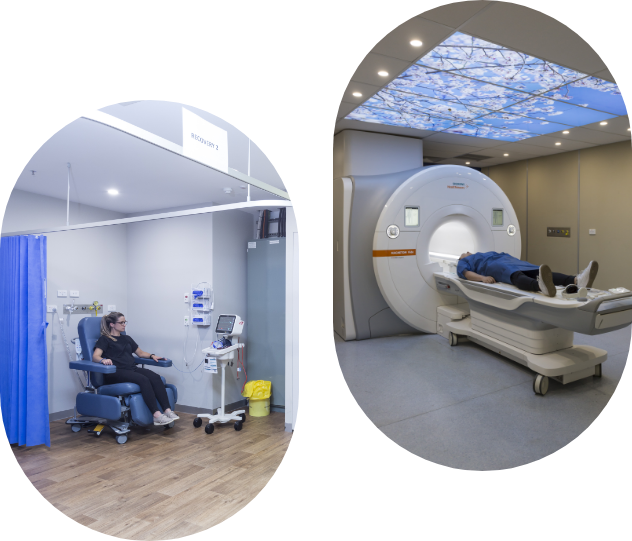

-
Use of low-radiation techniques for safety.
-
Capable of performing complex imaging procedures.
-
Bulk-billing available for eligible patients.
-
Strong commitment to patient privacy and confidentiality.
-
Offering both walk-in and appointment-based services.
-
Equipped with the latest 3D imaging technology.
From the moment you request an appointment to the final referral, we aim to make your experience as smooth and comfortable as possible. Here is our working process for all DiagnostiCare patients.
-
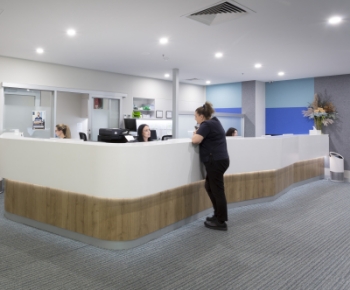

Request Appointment
-
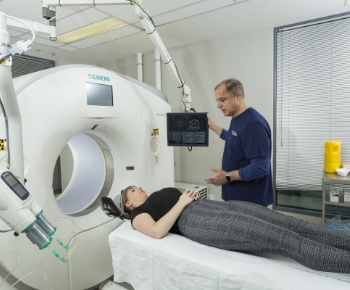

Patient Examination
-
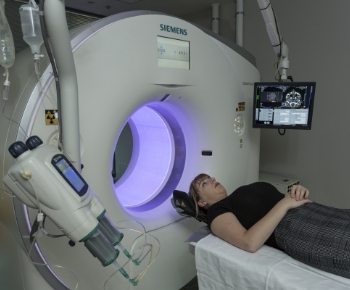

Results To Referrer
Unmatched MRI Capabilities in Ascot Vale
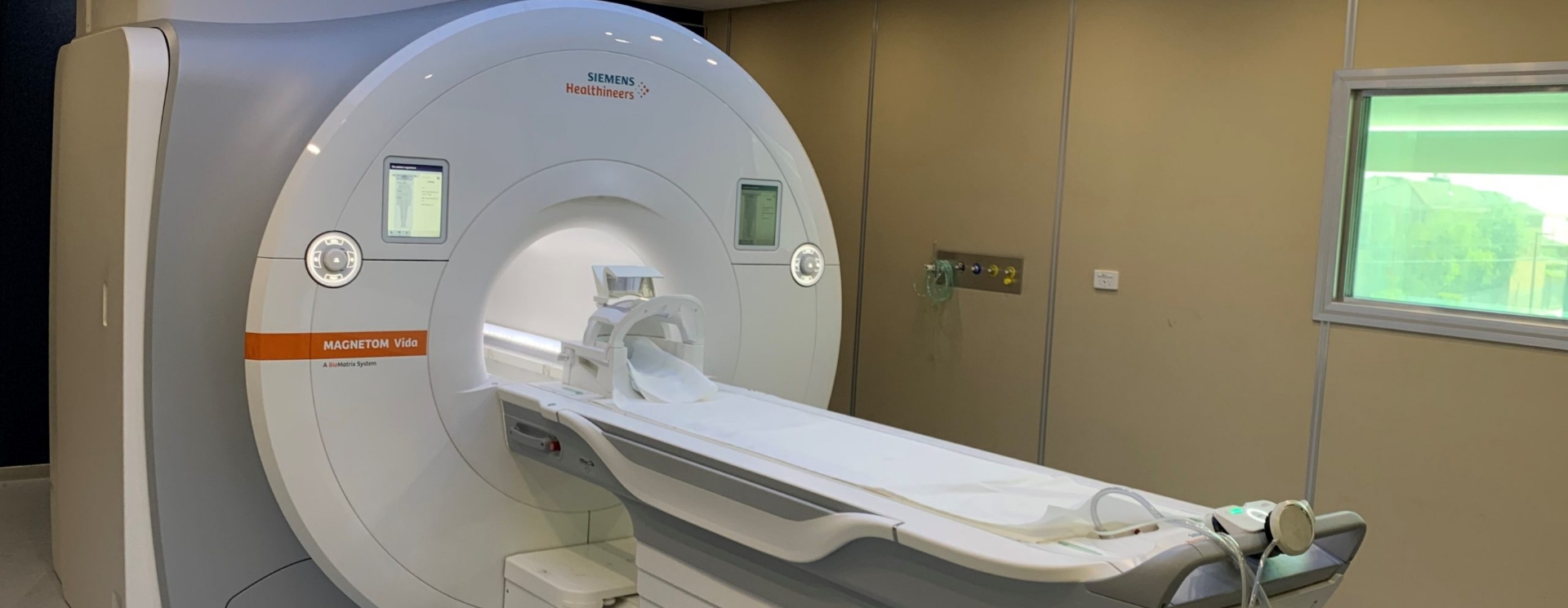
As trusted specialists in MRI in Ascot Vale, our comprehensive services span far and wide. The versatility of MRI can assist in the diagnosis of a slew of medical conditions in various parts of the body including cranial, spinal, musculoskeletal diagnostics, or the abdomen. Our professionals, who have dedicated their careers to mastering this art, apply their expertise to guarantee the accuracy, safety, and efficiency of our MRI services.
Moreover, our facility is designed to facilitate the prompt and accurate delivery of imaging services. We uphold the highest standards of operational excellence, streamlining procedures while maintaining exceptional accuracy. Accordingly, MRI results are usually available within 24 hours, expediting your path to the appropriate treatment.
Beyond functionalities, we appreciate that undergoing an MRI procedure can be daunting. Therefore, we are committed to creating a comfortable and supportive environment to ease any anxieties. At DiagnostiCare, Ascot Vale, your well-being is our utmost priority.


-

Highly trained and experienced team of radiologists.
-

Patient comfort prioritised during all procedures.
-

Fast and efficient imaging services reducing patient wait times.
-

Extended opening hours to accommodate busy schedules.
-

Convenient locations with ample parking facilities.
Personalised Approach to MRI Services in Ascot Vale
With DiagnostiCare, the MRI service you receive in Ascot Vale is individualised to your medical requirement. Our radiologists and technicians go above and beyond to ensure our services are tailored to your needs, acknowledging that no two patients are the same.
During the procedure, our friendly and supportive team members will be by your side every step of the way, explaining the process, answering questions and addressing concerns. Our philosophy is anchored on empathising with our patients and alleviating their unease to ensure a stress-free and comfortable MRI procedure.
We understand that you may have questions post-procedure, hence our radiologists are always available for consultation. They are experts in interpreting MRI results, allowing them to elucidate findings in a way that makes sense to you, in the context of your specific medical situation.


The DiagnostiCare Difference for MRI Services in Ascot Vale
DiagnostiCare is not just an MRI service provider in Ascot Vale; we are your reliable and caring health partner. Our extensive experience in the field, the combined expertise of our professional team, and our cutting-edge technology are woven together to provide quality, affordable, and ultra-precise MRI services.
Choosing us means partnering with a team that passionately places your health at the forefront. Your comfort is key to us and we strive unflaggingly to uphold a relaxed atmosphere for our clients. Our staff are always on hand to listen, advise and support you on your journey to better health.
Our adaptability and innovative spirit allow us to keep pace with the evolving field of radiology, continually upgrading our equipment and systems to provide our clients with the most contemporary and efficient MRI services in Ascot Vale.
Essentials Concerning MRIs at DiagnostiCare in Ascot Vale
Magnetic Resonance Imaging (MRI) is a diagnostic procedure that uses a magnetic field and radio waves to create detailed images of organs and tissues within the body. Before your MRI at DiagnostiCare, you will be briefed on the procedure, what to expect, and any necessary preparations.
It is normal for patients to be apprehensive about the procedure due to the enclosed environment of the MRI scanner. However, our caring team at Ascot Vale is trained to provide support, ensure your comfort, and help allay any fears. The MRI scan itself does not involve radiation and is non-invasive.

Ascot Vale – Your Local MRI Centre and Beyond
Although embedded in the heart of Ascot Vale, DiagnostiCare’s reputation and commitment to the community extend beyond this. We are also the preferred partners for MRI services for residents of nearby suburbs such as Keilor East, Essendon, and Moonee Ponds.
The long lasting bonds forged over the years with patients across these vicinities inspired us to expand our service areas. This way, DiagnostiCare’s premium MRI services are more accessible to individuals in need across Melbourne.
Next steps? Experience the DiagnostiCare MRI service difference in Ascot Vale, Melbourne, by booking your appointment with us today. Our team can be contacted by phone on (03) 9337 8288 or email at info@diagnosticare.com.au.

- The Science Behind Furosemide: How It Gets the Job Done
- MRI Airport West
- MRI Avondale Heights
- MRI Essendon
- MRI Gladstone Park
- MRI Greenvale
- MRI Maribyrnong
- MRI Moonee Ponds
- MRI Niddrie
- MRI Pascoe Vale
- MRI St Albans
- MRI Sydenham
- MRI Taylors Lakes

